




Indications: LYBALVI® is indicated for the treatment of adults with bipolar I disorder for acute treatment of manic or mixed episodes as monotherapy and as an adjunct to lithium or valproate, or as a maintenance monotherapy treatment, or for the treatment of adults with schizophrenia.

Pose of bird in flight

REAL-WORLD EVIDENCE


The real-world evidence retrospective claims study below should be viewed only as complementary to pivotal trial data. It is not intended as a comparison with pivotal trial data due to differences such as, but not limited to, study design, outcome measures, and methods of collection.

Data from pivotal trials

Bipolar I disorder

  • The efficacy and safety of LYBALVI in patients with bipolar I disorder have been established based on studies of orally administered olanzapine1
  • Olanzapine was evaluated in 2 studies in adults with bipolar I disorder, manic or mixed1
  • The studies evaluated the efficacy and safety of oral olanzapine in bipolar I disorder symptomology using YMRS as well as time to symptomatic relapse2

Learn more about the efficacy and safety of LYBALVI in patients with bipolar I disorder


Schizophrenia

  • The efficacy and safety of LYBALVI in patients with schizophrenia were evaluated in the ENLIGHTEN-1 and ENLIGHTEN-2 pivotal studies3-6
  • The studies evaluated the efficacy and safety of LYBALVI in schizophrenia symptomology using PANSS total score and observed changes in weight gain3-6

Learn more about the efficacy and safety of LYBALVI in patients with schizophrenia

Real-world evidence study design

Icon of a clipboard with text

This real-world evidence study assessed and compared healthcare resource utilization in adult patients with bipolar I disorder or schizophrenia in the 12 months before and after initiating LYBALVI.7

Study design

  • The real-world evidence retrospective claims study below should be viewed as complementary to pivotal trial data
  • It is not intended as a comparison with pivotal trial data due to differences such as, but not limited to, study design, outcome measures, and methods of collection
  • This study was not designed to make any inferences on causality or to measure the efficacy of LYBALVI
  • Its findings should be interpreted considering the limitations inherent to any claims database study
Infographic showing real-world evidence clinical study design.

Swipe chart to see more

  • The index date is the date of a patient’s first observed pharmacy or medical claim for LYBALVI falling within the identification period (October 18, 2020, to December 31, 2023). Patients were deemed to have initiated LYBALVI on their index date
  • The patient’s healthcare resource utilization (HCRU) was then assessed and compared for the 12 months before and after that index date
Objective7
  • To assess real-world HCRU in the 12 months before and after initiating LYBALVI (olanzapine and samidorphan) in patients treated for bipolar I disorder or schizophrenia
Inclusion criteria (examined in the study following linear order to arrive at the final study population)7
  • ≥1 pharmacy or medical claim for LYBALVI (n=7550)
  • Adults (aged ≥18 years) (n=7335)
  • ≥12 months of continuous enrollment with medical and pharmacy benefits before and after the date of first claim for LYBALVI (n=2530)
  • ≥1 medical claim with a diagnosis for schizophrenia or bipolar I disorder during the baseline or follow-up period (n=2291)
    • Patients with medical claims for both conditions were assigned an indication of schizophrenia (n=1)
  • The final study population consisted of adult patients with bipolar 1 disorder (n=1004) and schizophrenia (n=1287)
Exclusion criteria7
  • Patients with pharmacy or medical claims for LYBALVI during the baseline period
Statistical analyses7
  • 12-month pre-post comparisons (baseline vs follow-up) were made using unadjusted pairwise comparisons
Data source7
  • This retrospective study used administrative claims data from October 18, 2020, to December 31, 2023, from Komodo Healthcare Map, a fully deidentified US-based database containing detailed information on IP, OP, and pharmacy claims covered by commercial, Medicaid, or Medicare Advantage plans
  • Healthcare resource utilization claims were defined as to bipolar I disorder or schizophrenia based on selected ICD-10-CM codes
  • This study was conducted by Alkermes, Inc.
Study limitations7
  • Results from this population may not be generalizable to uninsured populations
  • A claim for a filled prescription does not indicate that medication was consumed or taken as prescribed
  • The presence of a diagnosis code may not definitively be indicative of disease presence or causality, nor does the presence of a claim indicate disease severity
  • Medication provided as samples by the physician would not be observed in the claims data
  • Because of the fixed follow-up time, HCRU and treatment patterns reported herein may not fully capture the effects of longer-term (>12-month) LYBALVI use
  • Claims data are subject to data omissions or coding inaccuracies
  • No conclusions of safety or clinical efficacy can be made from these data
Methodological considerations7
  • The study compared HCRU pre- and post-initiation of LYBALVI only; no comparisons were made to any other antipsychotic medications
  • HCRU was assessed over the fixed follow-up period and does not take into account patient discontinuations
    • A secondary completers analysis assessed HCRU among the subset of patients with continuous claims for LYBALVI during the full follow-up period; however, there is no verification that the medication was taken as prescribed

This study was not designed to make any inferences on causality or to measure the efficacy of LYBALVI. Its findings should be interpreted considering the limitations inherent to any claims database study.

12 months pre-/post-LYBALVI (olanzapine and samidorphan)

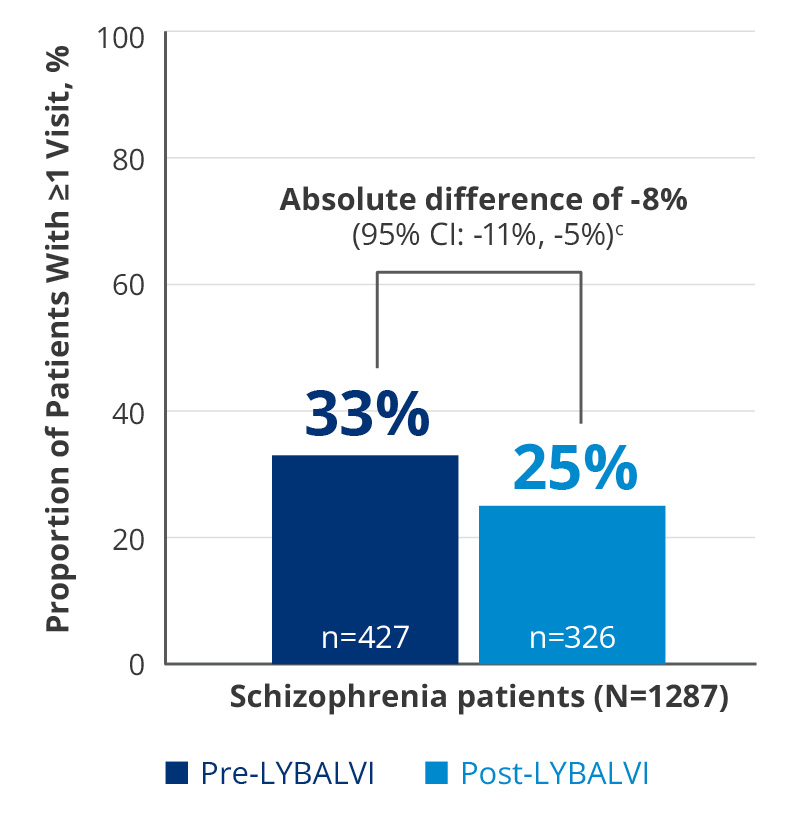
Disease-related inpatient admissions in the 12 months prior to LYBALVI initiation vs 12 months after initiation7,a,b

Graph showing results of inpatient admissions for bipolar I disorder patients.
Graph showing results of inpatient admissions for schizophrenia patients.

aRepresents relative change from baseline.

bNumbers are rounded.

cAchieved statistical significance. No adjustment of multiplicity was done for the statistical tests performed in these analyses.7

12 months pre-/post-LYBALVI

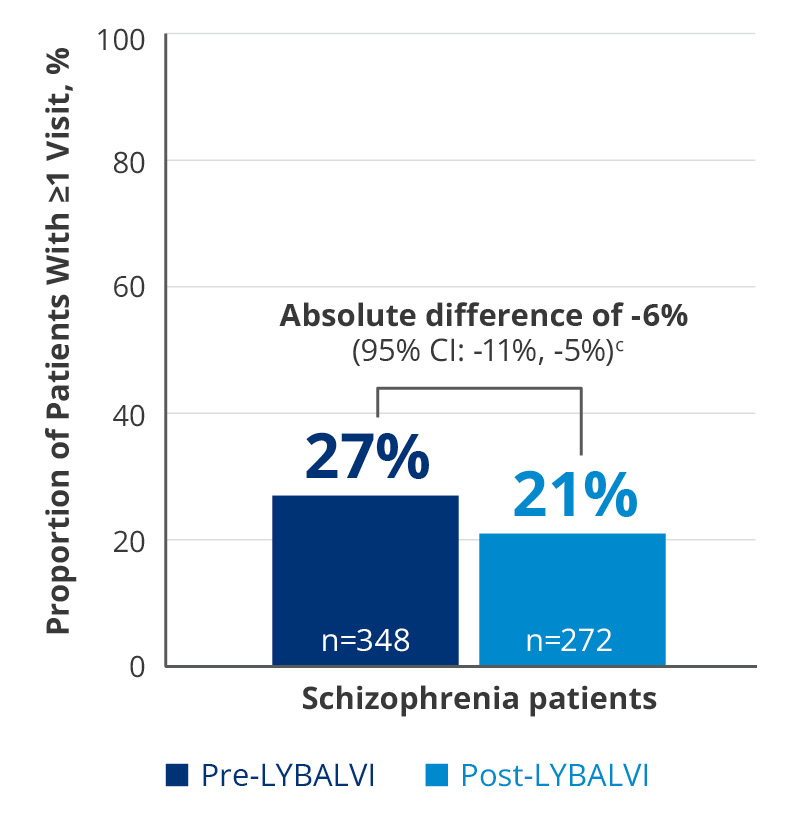
Disease-related emergency department visits in the 12 months prior to LYBALVI initiation vs 12 months after initiation7,a,b

Graph showing difference of emergency department visits for bipolar I disorder patients.
Graph showing difference of emergency department visits for schizophrenia patients.

aRepresents relative change from baseline.

bNumbers are rounded.

cAchieved statistical significance. No adjustment of multiplicity was done for the statistical tests performed in these analyses.7

12 months pre-/post-LYBALVI

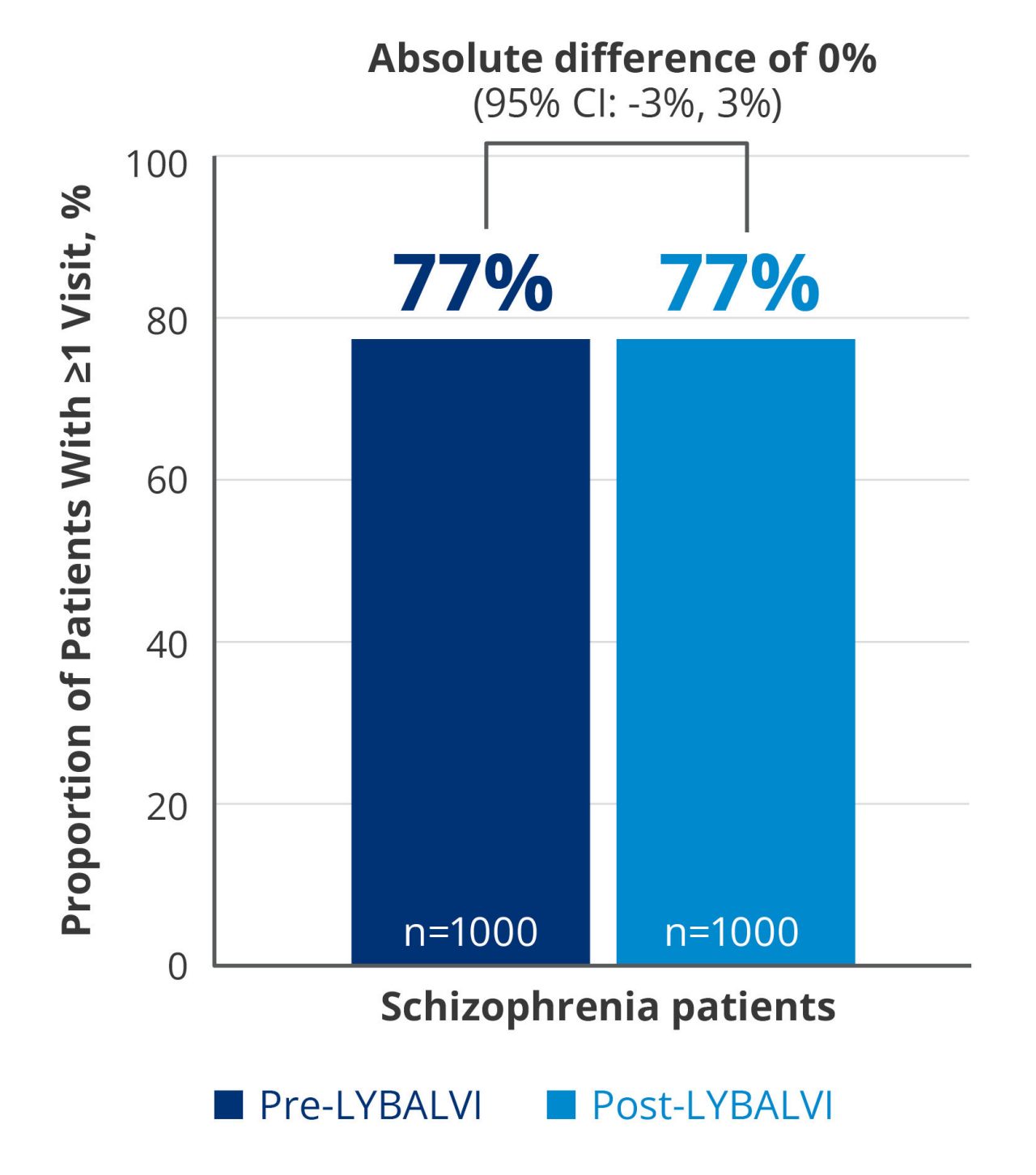
Disease-related outpatient visits in the 12 months prior to LYBALVI initiation vs 12 months after initiation7,a,b

Graph showing results of outpatient visits for bipolar I disorder patients.
Graph showing results of outpatient visits for schizophrenia patients.

aRepresents relative change from baseline.

bNumbers are rounded.

12 months pre-/post-LYBALVI

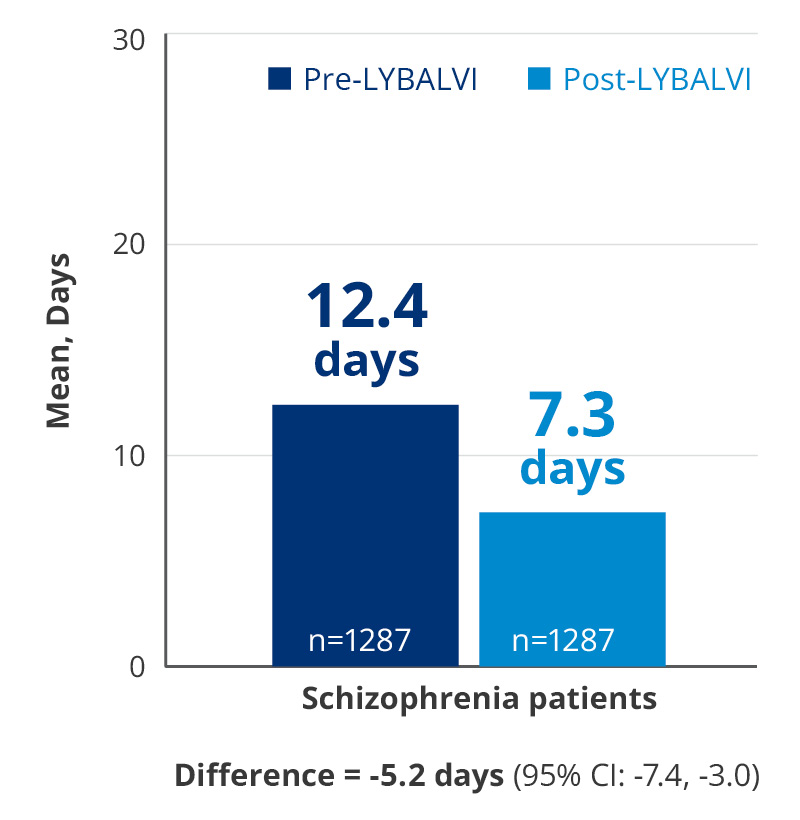
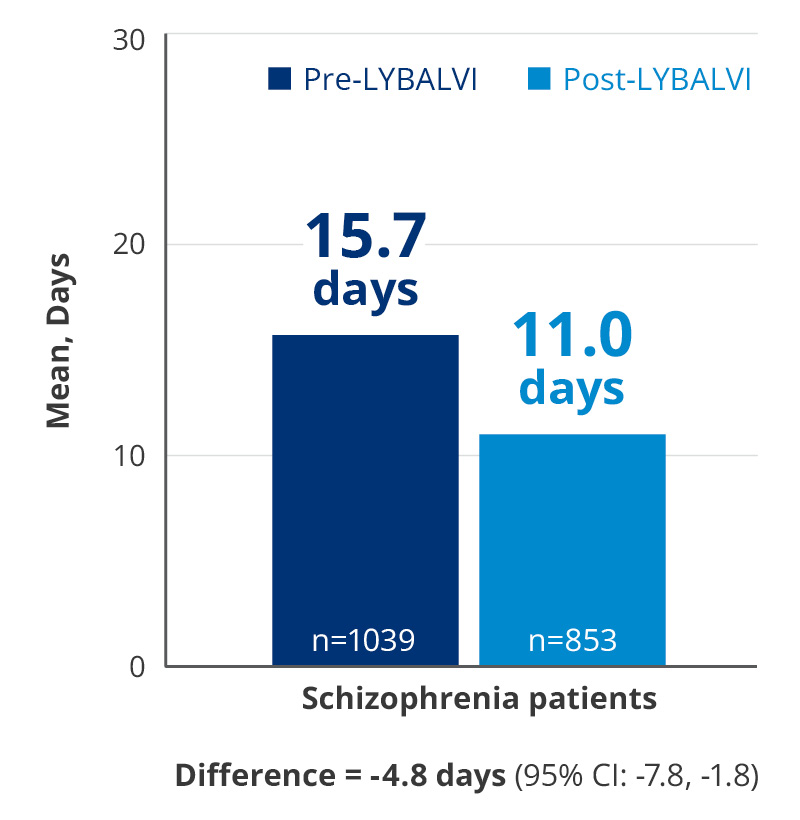
Mean number of disease-related inpatient days in the 12 months prior to LYBALVI initiation vs 12 months after initiation7,a,b,c

Graph showing length of stay for bipolar I disorder patients.
Graph showing length of stay for schizophrenia patients.

aRepresents relative change from baseline.

bNumbers are rounded.

cDefined as the total number of inpatient days divided by the total number of patients.

Disease-related length of stay in the 12 months prior to LYBALVI initiation vs 12 months after initiation7,a,b,c

Graph showing lengths of stay for bipolar I disorder patients.
Graph showing lengths of stay for schizophrenia patients.

aRepresents relative change from baseline.

bNumbers are rounded.

cDefined as the total number of inpatient days divided by the total number of hospital admissions.

Pose of bird in flight

Speak with a LYBALVI sales representative

Your local representative can provide you with information about LYBALVI, how to request product samples, and more. 

Peer perspective videos

Your peers are sharing their perspectives on LYBALVI.

CI=confidence interval; HAM-D=Hamilton Depression Rating Scale; ICD-10-CM=International Classification of Diseases, 10th Revision, Clinical Modification; IP=inpatient; OP=outpatient; PANSS=Positive and Negative Syndrome Scale; SD=standard deviation; YMRS=Young Mania Rating Scale.

References: 1. LYBALVI. Prescribing Information. Alkermes, Inc. 2. Tohen M, Jacobs TG, Grundy SL, et al. Efficacy of olanzapine in acute bipolar mania: a double-blind, placebo-controlled study. Arch Gen Psychiatry. 2000;57(9):841-849. 3. Potkin SG, Kunovac J, Silverman BL, et al. Efficacy and safety of a combination of olanzapine and samidorphan in adult patients with an acute exacerbation of schizophrenia: outcomes from the randomized, phase 3 ENLIGHTEN-1 Study. J Clin Psychiatry. 2020;81(2):19m12769. 4. Yagoda S, Graham C, Simmons A, Arevalo C, Jiang Y, McDonnell D. Long-term safety and durability of effect with a combination of olanzapine and samidorphan in patients with schizophrenia: results from a 1-year open-label extension study. CNS Spectr. 2021;26(4):383-392. 5. Correll CU, Newcomer JW, Silverman B, et al. Effects of olanzapine combined with samidorphan on weight gain in schizophrenia: a 24-week phase 3 study. Am J Psychiatry. 2020;177(12):1168-1178. 6. Kahn RS, Silverman BL, DiPetrillo L, et al. A phase 3, multicenter study to assess the 1-year safety and tolerability of a combination of olanzapine and samidorphan in patients with schizophrenia: results from the ENLIGHTEN-2 long-term extension. Schizophr Res. 2021;232:45-53. 7. Data on file. Alkermes, Inc.

You are now leaving the LYBALVI® (olanzapine and samidorphan) HCP website.

Alkermes is not responsible for any third-party site content.

Ok

You are now leaving the LYBALVI® (olanzapine and samidorphan) HCP website.

Alkermes is not responsible for any third-party site content.

Ok

You are now leaving the LYBALVI® (olanzapine and samidorphan) HCP website.

Alkermes is not responsible for any third-party site content.

Ok

You are now leaving the LYBALVI® (olanzapine and samidorphan) HCP website.

Alkermes is not responsible for any third-party site content.

Ok

You are now leaving the LYBALVI® (olanzapine and samidorphan) HCP website.

Alkermes is not responsible for any third-party site content.

Ok

You are now leaving the LYBALVI® (olanzapine and samidorphan) HCP website.

Alkermes is not responsible for any third-party site content.

Ok

You are now leaving the LYBALVI® (olanzapine and samidorphan) HCP website.

Alkermes is not responsible for any third-party site content.

Ok

You are now leaving the LYBALVI® (olanzapine and samidorphan) HCP website.

Alkermes is not responsible for any third-party site content.

Ok

You are now leaving the LYBALVI® (olanzapine and samidorphan) HCP website.

Alkermes is not responsible for any third-party site content.

Ok

You are now leaving the LYBALVI® (olanzapine and samidorphan) HCP website.

Alkermes is not responsible for any third-party site content.

Ok

You are now leaving the LYBALVI® (olanzapine and samidorphan) HCP website.

Alkermes is not responsible for any third-party site content.

Ok

You are now leaving the LYBALVI® (olanzapine and samidorphan) HCP website.

Alkermes is not responsible for any third-party site content.

Ok

You are now leaving the LYBALVI® (olanzapine and samidorphan) HCP website.

Alkermes is not responsible for any third-party site content.

Ok

Important Safety Information

Important Safety Information

Lybalvi HCP ISI

Boxed Warning

Boxed Warning: Elderly patients with dementia-related psychosis treated with antipsychotic drugs are at an increased risk of death. LYBALVI (olanzapine and samidorphan) is not approved for the treatment of patients with dementia-related psychosis.

ISI Copy

Contraindications:

LYBALVI is contraindicated in patients who are using opioids or are undergoing acute opioid withdrawal. If LYBALVI is administered with lithium or valproate, refer to the lithium or valproate Prescribing Information for the contraindications for these products.

Cerebrovascular Adverse Reactions in Elderly Patients with Dementia-Related Psychosis,

including stroke, transient ischemia attack, and fatalities. See Boxed Warning.

Precipitation of Severe Opioid Withdrawal in Patients who are Physiologically Dependent on Opioids:

LYBALVI can precipitate opioid withdrawal in patients who are dependent on opioids, which can lead to an opioid withdrawal syndrome, sometimes requiring hospitalization. LYBALVI is contraindicated in patients who are using opioids or undergoing acute opioid withdrawal. Prior to initiating LYBALVI, there should be at least a 7-day opioid-free interval from last use of short-acting opioids, and at least a 14-day opioid-free interval from the last use of long-acting opioids. Explain the risks associated with precipitated withdrawal and the importance of giving an accurate account of last opioid use to patients and caregivers.

Vulnerability to Life-Threatening Opioid Overdose:

Attempting to overcome opioid blockade with high or repeated doses of exogenous opioids could lead to life-threatening or fatal opioid intoxication, particularly if LYBALVI therapy is interrupted or discontinued, subjecting the patient to high levels of unopposed opioid agonist as the samidorphan blockade wanes. Inform patients of the potential consequences of trying to overcome the opioid blockade and the serious risks of taking opioids concurrently with LYBALVI or while transitioning off LYBALVI. In emergency situations, if a LYBALVI-treated patient requires opioid treatment as part of anesthesia or analgesia, discontinue LYBALVI. Opioids should be administered by properly trained individual(s) and patient should be continuously monitored in a setting equipped and staffed for cardiopulmonary resuscitation. Patients with a history of chronic opioid use prior to treatment with LYBALVI may have decreased opioid tolerance if LYBALVI therapy is interrupted or discontinued. Advise patients that this decreased tolerance may increase the risk of opioid overdose if opioids are resumed at the previously tolerated dosage.

Neuroleptic Malignant Syndrome,

a potentially fatal reaction. Signs and symptoms include hyperpyrexia, muscle rigidity, delirium, autonomic instability, elevated creatine phosphokinase, myoglobinuria (and/or rhabdomyolysis), and acute renal failure. Manage with immediate discontinuation, intensive symptomatic treatment, and close monitoring.

Drug Reaction with Eosinophilia and Systemic Symptoms (DRESS),

a potentially fatal condition reported with exposure to olanzapine, a component of LYBALVI. Symptoms include a cutaneous reaction (such as rash or exfoliative dermatitis), eosinophilia, fever, and/or lymphadenopathy with systemic complications such as hepatitis, nephritis, pneumonitis, myocarditis, and/or pericarditis. Discontinue if DRESS is suspected.

Metabolic Changes,

including hyperglycemia, diabetes mellitus, dyslipidemia, and weight gain. Hyperglycemia, in some cases extreme and associated with ketoacidosis or hyperosmolar coma or death, has been reported in patients treated with atypical antipsychotics. Any patient treated with LYBALVI should be monitored for symptoms of hyperglycemia including polydipsia, polyuria, polyphagia, and weakness. In some cases, hyperglycemia has resolved when the atypical antipsychotic was discontinued; however, some patients required anti-diabetic treatment despite discontinuation of the suspect drug. Measure weight and assess fasting glucose and lipids when initiating LYBALVI and monitor periodically.

Tardive Dyskinesia (TD):

Risk of developing TD (a syndrome of potentially irreversible, involuntary, dyskinetic movements) and the likelihood it will become irreversible increases with the duration of treatment and the cumulative dose. The syndrome can develop after a relatively brief treatment period, even at low doses, or after discontinuation. Given these considerations, LYBALVI should be prescribed in a manner that is most likely to reduce the risk of tardive dyskinesia. If signs and symptoms of TD appear, drug discontinuation should be considered.

Orthostatic Hypotension and Syncope:

Monitor orthostatic vital signs in patients who are vulnerable to hypotension, patients with known cardiovascular disease, and patients with cerebrovascular disease.

Falls:

LYBALVI may cause somnolence, postural hypotension, and motor and sensory instability, which may lead to falls, and consequently, fractures or other injuries. Assess patients for risk when using LYBALVI.

Leukopenia, Neutropenia, and Agranulocytosis (including fatal cases):

Perform complete blood counts in patients with a history of a clinically significant low white blood cell (WBC) count or history of leukopenia or neutropenia. Discontinue LYBALVI if clinically significant decline in WBC occurs in the absence of other causative factors.

Dysphagia:

Use LYBALVI with caution in patients at risk for aspiration.

Seizures:

Use LYBALVI with caution in patients with a history of seizures or with conditions that lower the seizure threshold.

Potential for Cognitive and Motor Impairment:

Because LYBALVI may cause somnolence, and may impair judgment, thinking, or motor skills, caution patients about operating hazardous machinery, including motor vehicles, until they are certain that LYBALVI does not affect them adversely.

Body Temperature Dysregulation:

Use LYBALVI with caution in patients who may experience conditions that increase core body temperature (e.g., strenuous exercise, extreme heat, dehydration, or concomitant use with anticholinergics).

Anticholinergic (Antimuscarinic) Effects:

Olanzapine, a component of LYBALVI, was associated with constipation, dry mouth, and tachycardia. Use LYBALVI with caution with other anticholinergic medications and in patients with urinary retention, prostatic hypertrophy, constipation, paralytic ileus or related conditions. In postmarketing experience, the risk for severe adverse reactions (including fatalities) was increased with concomitant use of anticholinergic medications.

Hyperprolactinemia:

LYBALVI elevates prolactin levels. Galactorrhea, amenorrhea, gynecomastia, and impotence have been reported in patients receiving prolactin-elevating compounds.

Risks Associated with Combination Treatment with Lithium or Valproate:

If LYBALVI is administered with lithium or valproate, refer to the lithium or valproate Prescribing Information for a description of the risks for these products.

Interference with Laboratory Tests for Opioid Detection:

LYBALVI may cause false positive results with urinary immunoassay methods for detecting opioids. Use an alternative analytical technique (e.g., chromatographic methods) to confirm positive opioid urine drug screen results.

Most Common Adverse Reactions observed in clinical trials were:

  • Schizophrenia (LYBALVI): weight increased, somnolence, dry mouth, and headache
  • Bipolar I Disorder, Manic or Mixed Episodes (olanzapine): somnolence, dry mouth, dizziness, asthenia, constipation, dyspepsia, increased appetite, and tremor
  • Bipolar I Disorder, Manic or Mixed Episodes, adjunct to lithium or valproate (olanzapine): dry mouth, weight gain, increased appetite, dizziness, back pain, constipation, speech disorder, increased salivation, amnesia, paresthesia

Concomitant Medication:

LYBALVI is contraindicated in patients who are using opioids or undergoing acute opioid withdrawal. Concomitant use of LYBALVI is not recommended with strong CYP3A4 inducers, levodopa and dopamine agonists. Reduce dosage of LYBALVI when using with strong CYP1A2 inhibitors. Increase dosage of LYBALVI with CYP1A2 inducers. Use caution with diazepam, alcohol, other CNS acting drugs, or in patients receiving anticholinergic (antimuscarinic) medications. Monitor blood pressure and reduce dosage of antihypertensive drug in accordance with its approved product labeling.

Pregnancy:

May cause extrapyramidal and/or withdrawal symptoms in neonates with third trimester exposure. Advise patients to notify their healthcare provider if they become pregnant or intend to become pregnant during treatment with LYBALVI. Inform patients that there is a pregnancy exposure registry that monitors pregnancy outcomes in women exposed to LYBALVI during pregnancy.

Renal Impairment:

LYBALVI is not recommended for patients with end-stage renal disease (eGFR of <15 mL/minute/1.73 m2).

To report SUSPECTED ADVERSE REACTIONS, contact Alkermes at 1-888-235-8008 or FDA at 1-800-FDA-1088 or https://www.fda.gov/medwatch.

Indications

LYBALVI is indicated for the treatment of:

  • Bipolar I disorder in adults
    • Acute treatment of manic or mixed episodes as monotherapy and as adjunct to lithium or valproate
    • Maintenance monotherapy treatment
  • Schizophrenia in adults

Please see full Prescribing Information, including Boxed Warning, for LYBALVI.

Lybalvi HCP ISI

Boxed Warning

Boxed Warning: Elderly patients with dementia-related psychosis treated with antipsychotic drugs are at an increased risk of death. LYBALVI (olanzapine and samidorphan) is not approved for the treatment of patients with dementia-related psychosis.

ISI Copy

Contraindications:

LYBALVI is contraindicated in patients who are using opioids or are undergoing acute opioid withdrawal. If LYBALVI is administered with lithium or valproate, refer to the lithium or valproate Prescribing Information for the contraindications for these products.

Cerebrovascular Adverse Reactions in Elderly Patients with Dementia-Related Psychosis,

including stroke, transient ischemia attack, and fatalities. See Boxed Warning.

Precipitation of Severe Opioid Withdrawal in Patients who are Physiologically Dependent on Opioids:

LYBALVI can precipitate opioid withdrawal in patients who are dependent on opioids, which can lead to an opioid withdrawal syndrome, sometimes requiring hospitalization. LYBALVI is contraindicated in patients who are using opioids or undergoing acute opioid withdrawal. Prior to initiating LYBALVI, there should be at least a 7-day opioid-free interval from last use of short-acting opioids, and at least a 14-day opioid-free interval from the last use of long-acting opioids. Explain the risks associated with precipitated withdrawal and the importance of giving an accurate account of last opioid use to patients and caregivers.

Vulnerability to Life-Threatening Opioid Overdose:

Attempting to overcome opioid blockade with high or repeated doses of exogenous opioids could lead to life-threatening or fatal opioid intoxication, particularly if LYBALVI therapy is interrupted or discontinued, subjecting the patient to high levels of unopposed opioid agonist as the samidorphan blockade wanes. Inform patients of the potential consequences of trying to overcome the opioid blockade and the serious risks of taking opioids concurrently with LYBALVI or while transitioning off LYBALVI. In emergency situations, if a LYBALVI-treated patient requires opioid treatment as part of anesthesia or analgesia, discontinue LYBALVI. Opioids should be administered by properly trained individual(s) and patient should be continuously monitored in a setting equipped and staffed for cardiopulmonary resuscitation. Patients with a history of chronic opioid use prior to treatment with LYBALVI may have decreased opioid tolerance if LYBALVI therapy is interrupted or discontinued. Advise patients that this decreased tolerance may increase the risk of opioid overdose if opioids are resumed at the previously tolerated dosage.

Neuroleptic Malignant Syndrome,

a potentially fatal reaction. Signs and symptoms include hyperpyrexia, muscle rigidity, delirium, autonomic instability, elevated creatine phosphokinase, myoglobinuria (and/or rhabdomyolysis), and acute renal failure. Manage with immediate discontinuation, intensive symptomatic treatment, and close monitoring.

Drug Reaction with Eosinophilia and Systemic Symptoms (DRESS),

a potentially fatal condition reported with exposure to olanzapine, a component of LYBALVI. Symptoms include a cutaneous reaction (such as rash or exfoliative dermatitis), eosinophilia, fever, and/or lymphadenopathy with systemic complications such as hepatitis, nephritis, pneumonitis, myocarditis, and/or pericarditis. Discontinue if DRESS is suspected.

Metabolic Changes,

including hyperglycemia, diabetes mellitus, dyslipidemia, and weight gain. Hyperglycemia, in some cases extreme and associated with ketoacidosis or hyperosmolar coma or death, has been reported in patients treated with atypical antipsychotics. Any patient treated with LYBALVI should be monitored for symptoms of hyperglycemia including polydipsia, polyuria, polyphagia, and weakness. In some cases, hyperglycemia has resolved when the atypical antipsychotic was discontinued; however, some patients required anti-diabetic treatment despite discontinuation of the suspect drug. Measure weight and assess fasting glucose and lipids when initiating LYBALVI and monitor periodically.

Tardive Dyskinesia (TD):

Risk of developing TD (a syndrome of potentially irreversible, involuntary, dyskinetic movements) and the likelihood it will become irreversible increases with the duration of treatment and the cumulative dose. The syndrome can develop after a relatively brief treatment period, even at low doses, or after discontinuation. Given these considerations, LYBALVI should be prescribed in a manner that is most likely to reduce the risk of tardive dyskinesia. If signs and symptoms of TD appear, drug discontinuation should be considered.

Orthostatic Hypotension and Syncope:

Monitor orthostatic vital signs in patients who are vulnerable to hypotension, patients with known cardiovascular disease, and patients with cerebrovascular disease.

Falls:

LYBALVI may cause somnolence, postural hypotension, and motor and sensory instability, which may lead to falls, and consequently, fractures or other injuries. Assess patients for risk when using LYBALVI.

Leukopenia, Neutropenia, and Agranulocytosis (including fatal cases):

Perform complete blood counts in patients with a history of a clinically significant low white blood cell (WBC) count or history of leukopenia or neutropenia. Discontinue LYBALVI if clinically significant decline in WBC occurs in the absence of other causative factors.

Dysphagia:

Use LYBALVI with caution in patients at risk for aspiration.

Seizures:

Use LYBALVI with caution in patients with a history of seizures or with conditions that lower the seizure threshold.

Potential for Cognitive and Motor Impairment:

Because LYBALVI may cause somnolence, and may impair judgment, thinking, or motor skills, caution patients about operating hazardous machinery, including motor vehicles, until they are certain that LYBALVI does not affect them adversely.

Body Temperature Dysregulation:

Use LYBALVI with caution in patients who may experience conditions that increase core body temperature (e.g., strenuous exercise, extreme heat, dehydration, or concomitant use with anticholinergics).

Anticholinergic (Antimuscarinic) Effects:

Olanzapine, a component of LYBALVI, was associated with constipation, dry mouth, and tachycardia. Use LYBALVI with caution with other anticholinergic medications and in patients with urinary retention, prostatic hypertrophy, constipation, paralytic ileus or related conditions. In postmarketing experience, the risk for severe adverse reactions (including fatalities) was increased with concomitant use of anticholinergic medications.

Hyperprolactinemia:

LYBALVI elevates prolactin levels. Galactorrhea, amenorrhea, gynecomastia, and impotence have been reported in patients receiving prolactin-elevating compounds.

Risks Associated with Combination Treatment with Lithium or Valproate:

If LYBALVI is administered with lithium or valproate, refer to the lithium or valproate Prescribing Information for a description of the risks for these products.

Interference with Laboratory Tests for Opioid Detection:

LYBALVI may cause false positive results with urinary immunoassay methods for detecting opioids. Use an alternative analytical technique (e.g., chromatographic methods) to confirm positive opioid urine drug screen results.

Most Common Adverse Reactions observed in clinical trials were:

  • Schizophrenia (LYBALVI): weight increased, somnolence, dry mouth, and headache
  • Bipolar I Disorder, Manic or Mixed Episodes (olanzapine): somnolence, dry mouth, dizziness, asthenia, constipation, dyspepsia, increased appetite, and tremor
  • Bipolar I Disorder, Manic or Mixed Episodes, adjunct to lithium or valproate (olanzapine): dry mouth, weight gain, increased appetite, dizziness, back pain, constipation, speech disorder, increased salivation, amnesia, paresthesia

Concomitant Medication:

LYBALVI is contraindicated in patients who are using opioids or undergoing acute opioid withdrawal. Concomitant use of LYBALVI is not recommended with strong CYP3A4 inducers, levodopa and dopamine agonists. Reduce dosage of LYBALVI when using with strong CYP1A2 inhibitors. Increase dosage of LYBALVI with CYP1A2 inducers. Use caution with diazepam, alcohol, other CNS acting drugs, or in patients receiving anticholinergic (antimuscarinic) medications. Monitor blood pressure and reduce dosage of antihypertensive drug in accordance with its approved product labeling.

Pregnancy:

May cause extrapyramidal and/or withdrawal symptoms in neonates with third trimester exposure. Advise patients to notify their healthcare provider if they become pregnant or intend to become pregnant during treatment with LYBALVI. Inform patients that there is a pregnancy exposure registry that monitors pregnancy outcomes in women exposed to LYBALVI during pregnancy.

Renal Impairment:

LYBALVI is not recommended for patients with end-stage renal disease (eGFR of <15 mL/minute/1.73 m2).

To report SUSPECTED ADVERSE REACTIONS, contact Alkermes at 1-888-235-8008 or FDA at 1-800-FDA-1088 or https://www.fda.gov/medwatch.

Indications

LYBALVI is indicated for the treatment of:

  • Bipolar I disorder in adults
    • Acute treatment of manic or mixed episodes as monotherapy and as adjunct to lithium or valproate
    • Maintenance monotherapy treatment
  • Schizophrenia in adults

Please see full Prescribing Information, including Boxed Warning, for LYBALVI.

For Healthcare Professionals

The information provided in this website is intended for US healthcare professionals only. I certify that I am a US healthcare professional.


If you choose No, you will be brought to the patient website.

No